

Keeping Compactability from Going Off-Key
Written by Michelle Ring in collaboration with SIMPSON
Article also featured in Simple Solutions That Work
Why Calibration Matters
When a piano drifts out of tune, the change is often subtle at first. As the piano continues to drift, the sound becomes increasingly unpleasant and noticeable. Sometimes it can even fall out of tune abruptly due to drastic changes in temperature or humidity, or my child pounding on the keys. In a similar way, a foundry must periodically recalibrate its compactability controller to ensure it is accurately measuring the molding sand. If the controller begins to drift out of calibration, the system may make incorrect water or clay additions, leading to inconsistent molds and casting defects. Just as tuning keeps a piano producing the correct sound, recalibrating a compactability controller keeps the muller variation to a minimum and eliminates large swings in the green sand — otherwise, the whole operation can quickly “fall out of harmony.”
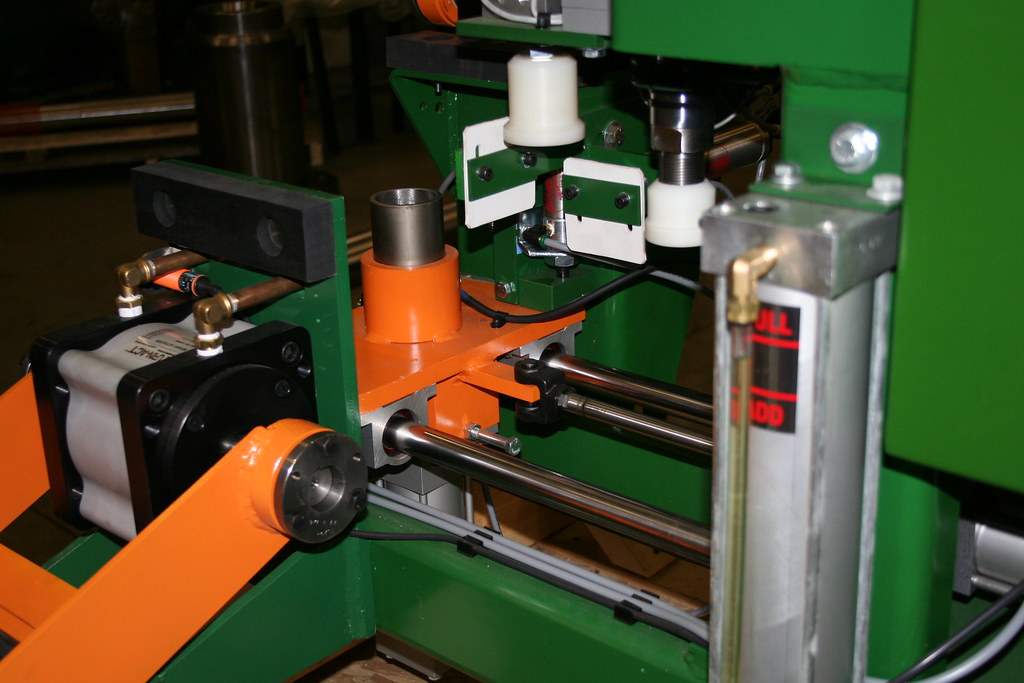
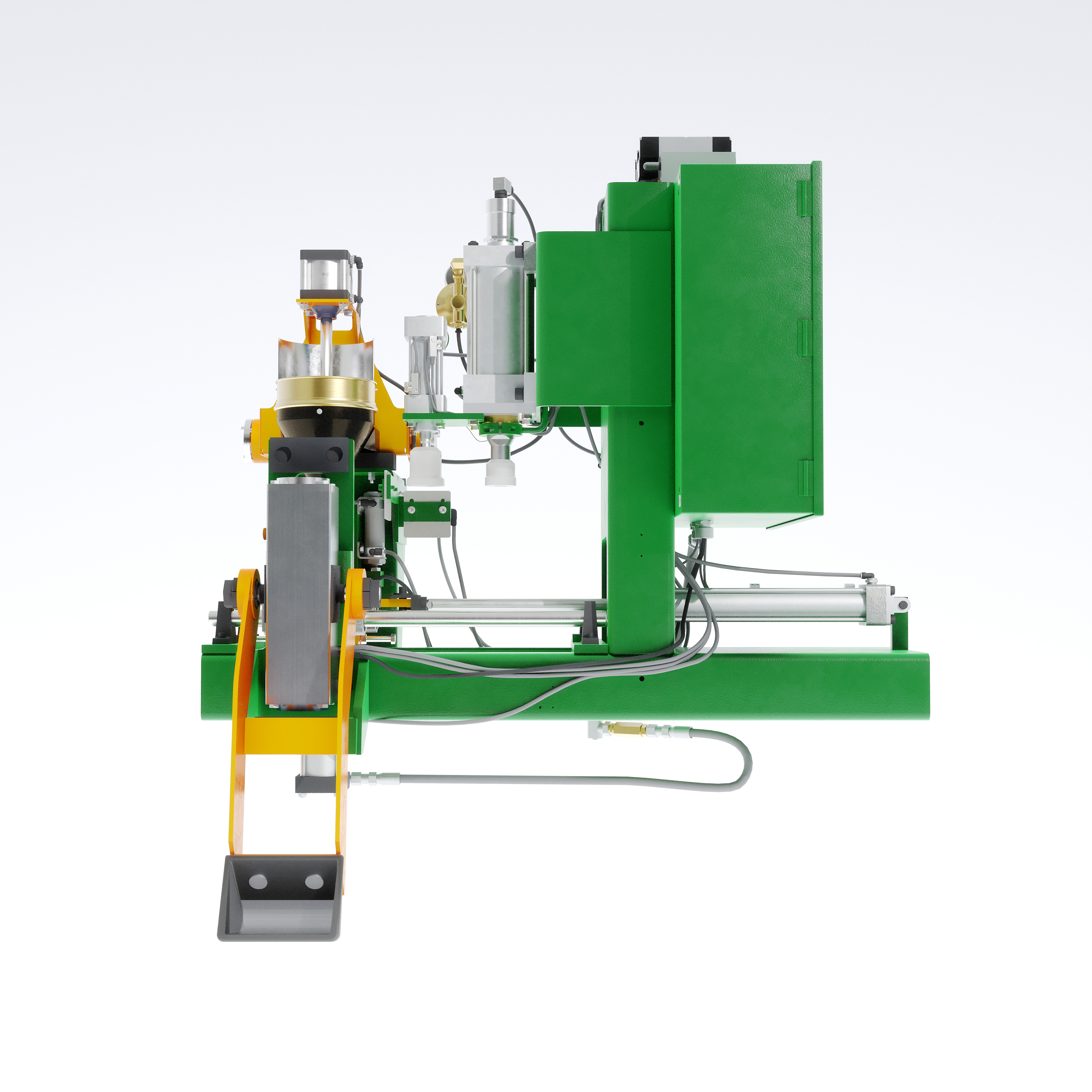
The Compactability Controller is the brain of the green sand molding operation. Many foundries depend on it to automatically determine all water additions, directly influencing molding sand quality. The controller uses a compactability test from each batch of sand (or at a given time interval for a continuous muller). Water addition is determined by an algorithm that uses parameters such as batch weight, temperature, conductivity, target compactability, and measured compactability. If the measured compactability is lower than the target, the controller may increase the water to the next batch. If the measured value is higher than the target, the controller may reduce the water addition to the next batch. It is critical that the controller accurately measures compactability. If it does not, water additions will be incorrect, causing the entire sand system to fall out of control.
Verifying Compactability
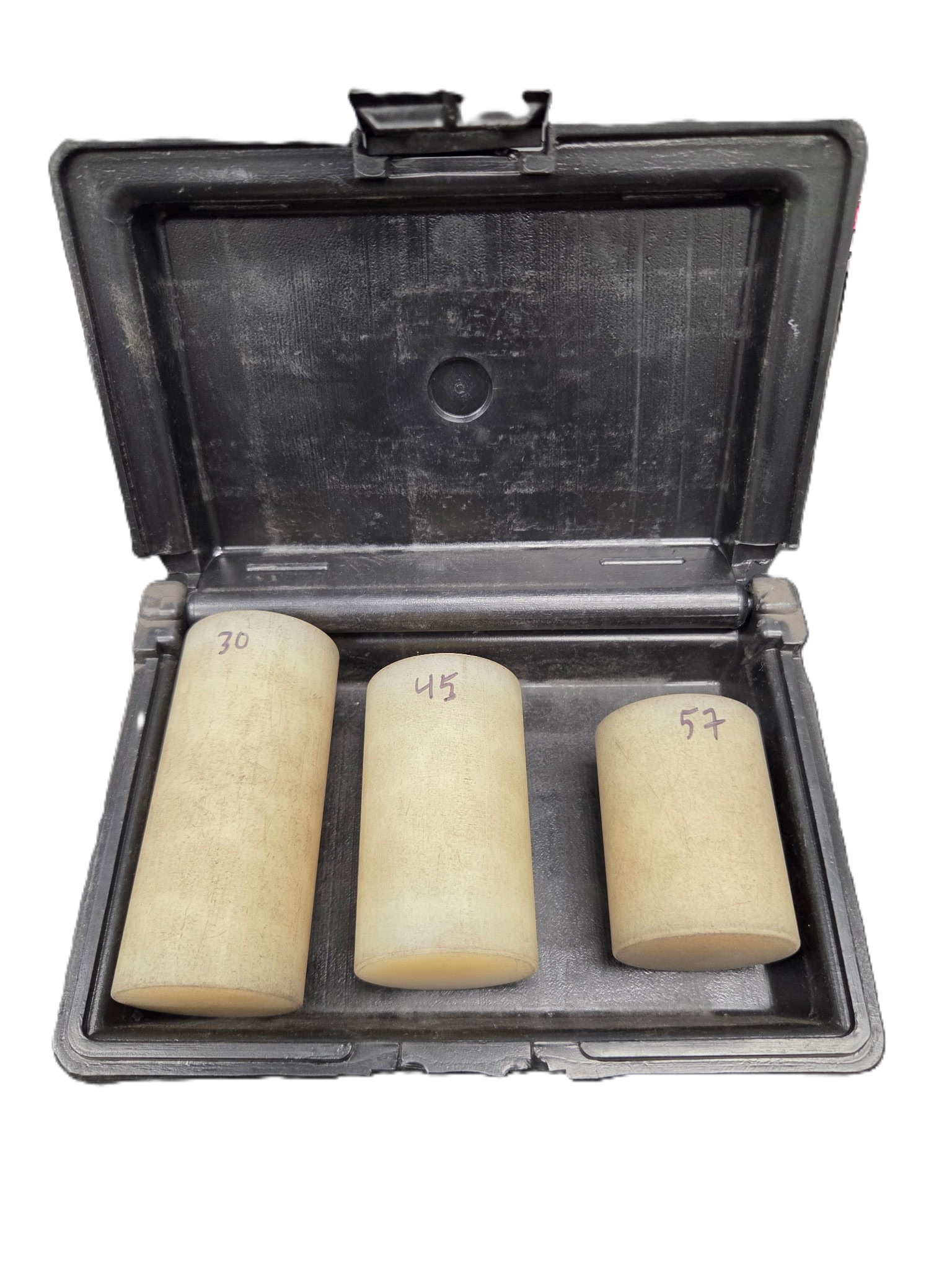
To verify, foundries typically use a set of calibration plugs to check or calibrate the controller. For most systems, three plugs are supplied with the original purchase of the equipment. The plug numbers correspond to expected depths used to verify the compactability cylinder’s measurement. The three most common plugs are the 30, 45, and 57 Plugs which correspond to a percent compactability. The operator follows a set of prompts and places the appropriate plugs into the controller; with the divot side facing up. If all the plugs measure the correct corresponding value, no changes are made to the controller. If they are not measuring correctly, the Calibrate Compactability function adjusts the controller so the measured compactability matches a known plug. As the controller measures the calibration plugs, it records the values and recalculates the best-fit slope used to determine compactability.
After the Calibrate step is completed, the user should verify the compactability measurement of the tester against a calibrated test plug. The user inserts a test plug (typically the 45 plug) and if the tester is calibrated correctly, the displayed compactability value should match the plug installed in the tester.
Green Strength Verification
In addition to the compactability test, some controllers will also test for green strength by performing a green strength verification. This value is often used if a foundry wants to automate their bond addition. This verification is checking the reading of the green strength pressure transducer versus a set value to verify its working condition. During production these controllers apply pressure to the sample until it breaks. This pressure correlates to a green strength measurement.
Common Causes of Calibration Drift
When a controller is not reading compactability or green strength accurately, the error can usually be traced to a mechanical, pneumatic, or electrical issue within the testing system. If the drift continues or is a sudden change, it is typically caused by one or more of the following conditions:
MECHANICAL ISSUES:
• Cylinder cap is loose, changing “zero”
• Worn specimen tube
• Worn compactability cylinder cap
• Green strength rod end is not being properly cleaned off
PNEUMATIC ISSUES:
• Low air pressure
• Pressure regulator not adjusted properly
• 2" [50.4mm] limit switch did not read due to eject cylinder speed too fast
ELECTRICAL / CONTROL ISSUES:
• 2" [50.4mm] limit switch did not make it in time for test to occur
• 2" [50.4mm] limit switch not set correctly
• Green strength pressure transducer not working properly
• Green strength pressure control card is not working properly
• Pressure transducer loss of power
• Pressure switch not actuating (older systems)
To ensure reliable calibration results, the plugs should be routinely
inspected and you should consider replacement when any of the following
conditions are observed:
• Visible wear or damage
• Inconsistent readings during verification
• Calibration drift that cannot be corrected
• Difficulty achieving repeatable results
Preventing Drift Through Maintenance
Preventing calibration drift is easier than correcting it after variation appears in the system. Routine daily inspections can help identify issues before they affect sand quality. While calibration is typically recommended as a monthly PM, other reasons a foundry may check or calibrate would be:
• After maintenance was completed on the muller or controller
• Large swings in calculated water additions
Foundries can also track their calibration results and look for trends to preemptively maintain the unit. Daily checks such as those below can also help avoid the drift:
• Clean excess sand off tester
• Check for air leaks
• Check air pressure
• Main line pressure should be 90 psi at the main regulator
• Compactability cylinder should be 35 psi
• Keep Lubricator full
• Check that exhaust mufflers are not fouled with oil
• Drain water from filter
Keeping Compactability on Target
Just as a piano requires periodic tuning, a compactability controller requires regular verification to ensure it is accurately measuring the molding sand. An out-of-tune piano can still make noise, just as an out-of-calibration muller can still produce sand, but neither is likely to deliver the quality expected. Even small amounts of drift can lead to incorrect water and clay additions, and those errors build as the process runs. This is why regular plug verification, calibration, and upkeep of both mechanical and electronic components are critical to minimizing variation and keeping the system in control.
When everything is set correctly and within tolerance, the muller runs consistently, variation is reduced, and the foundry avoids unnecessary swings in green sand properties and the defects that follow.